Ask ten tractor owners what their machine costs per hour, and most will guess. The surprising part? Many are wrong by hundreds of rand.
That's because fuel is only one piece of the equation. The true cost of operating a tractor includes every expense required to keep it working reliably over its lifetime.
1. Fuel Is Only the Beginning
Fuel is the easiest cost to see because you pay for it regularly. But every operating hour also consumes:
- Engine and hydraulic oil
- Filters
- Tyres
- Grease
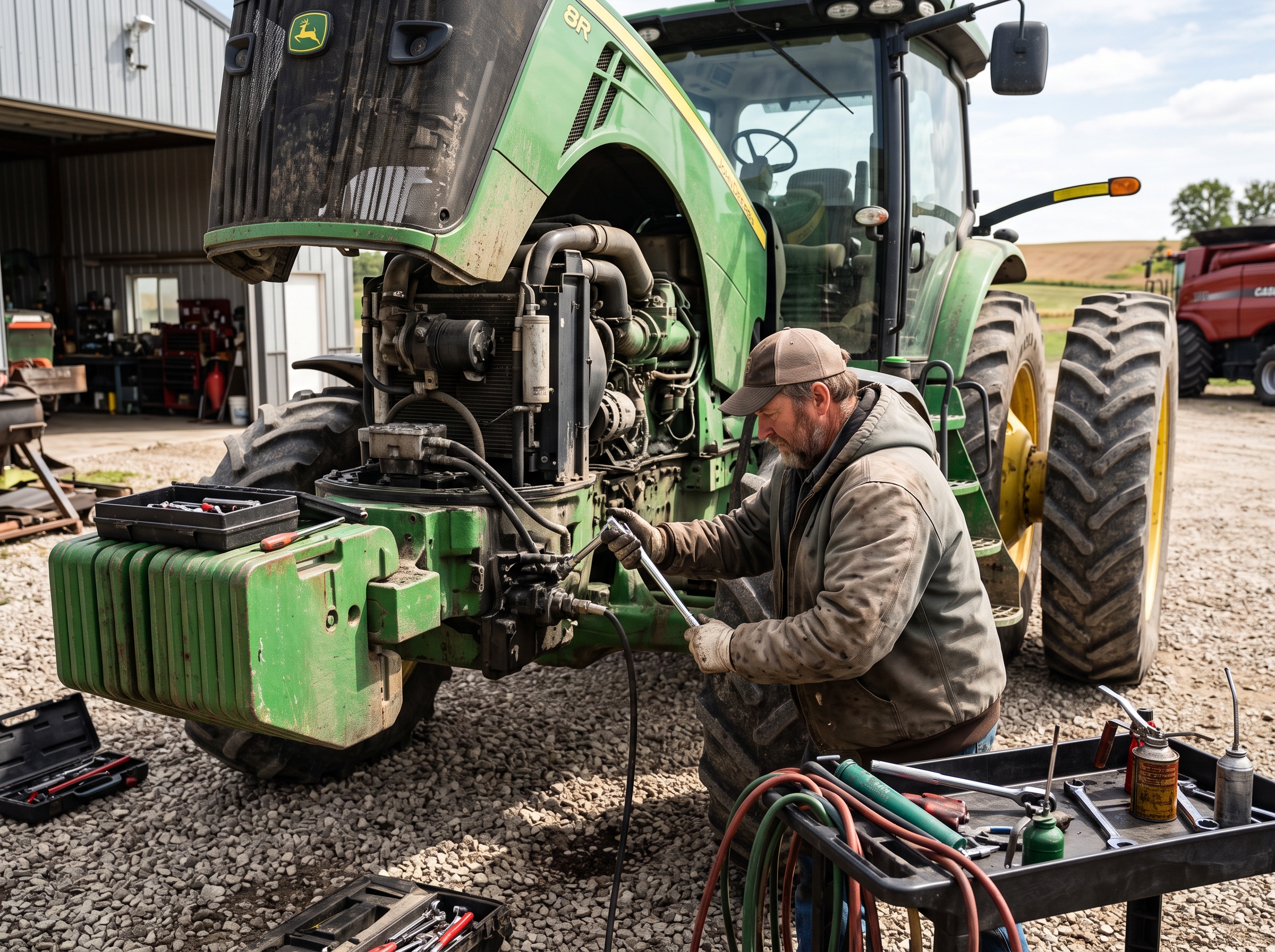
- Repairs
- Scheduled servicing
- Wear components
These costs don't disappear — they're simply less visible than filling the tank.
2. Ownership Costs Continue Even When the Tractor Is Parked
Whether the tractor works today or not, you're still paying for:
- Finance or interest
- Insurance
- Depreciation
- Registration (where applicable)
- Storage and security
These fixed costs are spread across every productive hour. The fewer hours the tractor works each year, the higher each hour effectively costs.
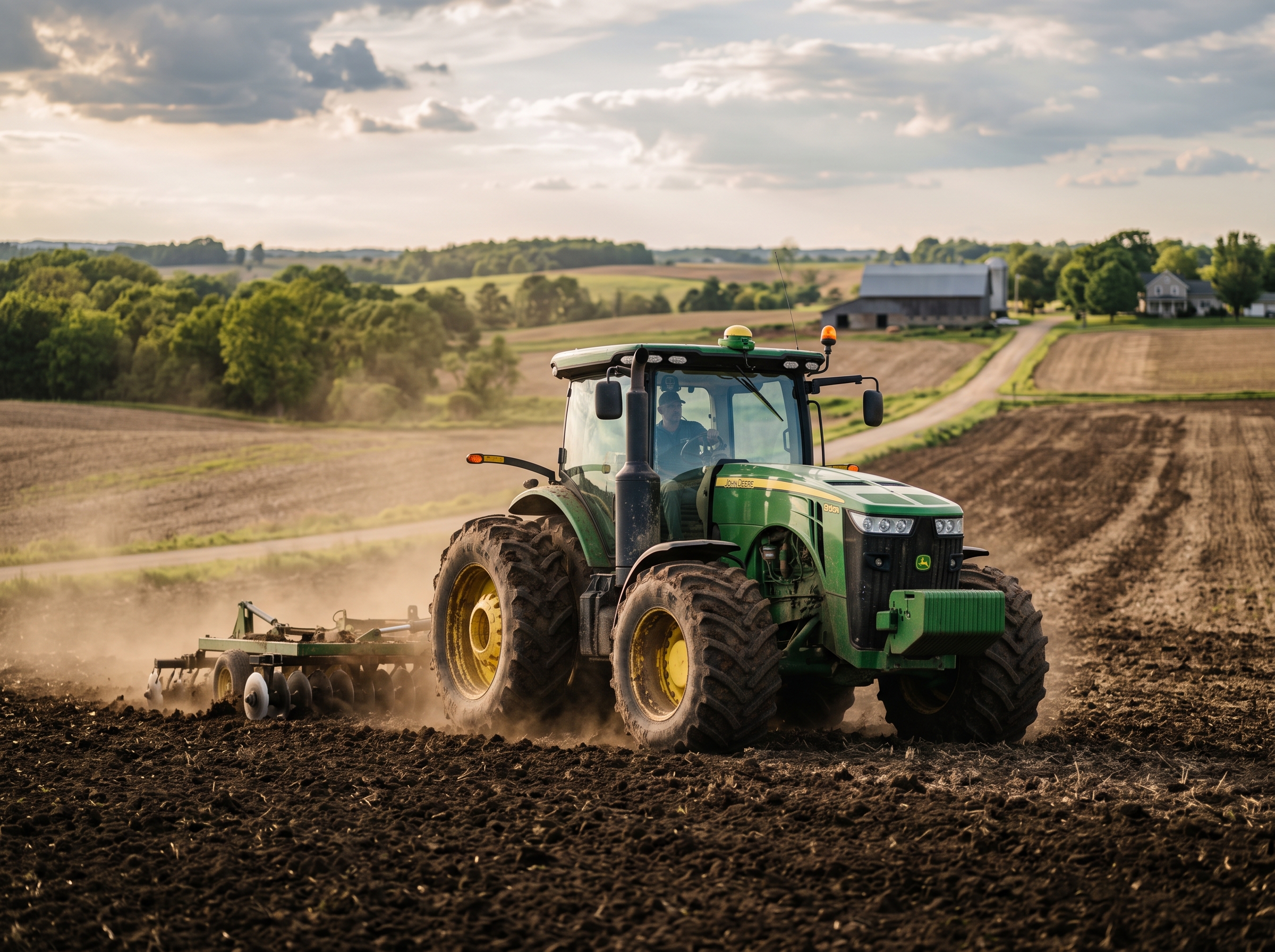
3. Cost Per Hour Falls as Utilisation Increases
Imagine two identical tractors, both costing the same to own.
| Hours/Year | Fixed Cost Spread Over | Effective Cost/Hour | |
|---|---|---|---|
| Tractor A | 400 | Fewer hours | Higher |
| Tractor B | 1,200 | 3× more hours | Lower |
Although Tractor B uses more fuel and requires more servicing, its fixed ownership costs are spread over three times as many productive hours — usually resulting in a significantly lower cost per hour.
The machine isn't cheaper — it is simply being used more efficiently.
4. Repairs Are Predictable — Failures Aren't
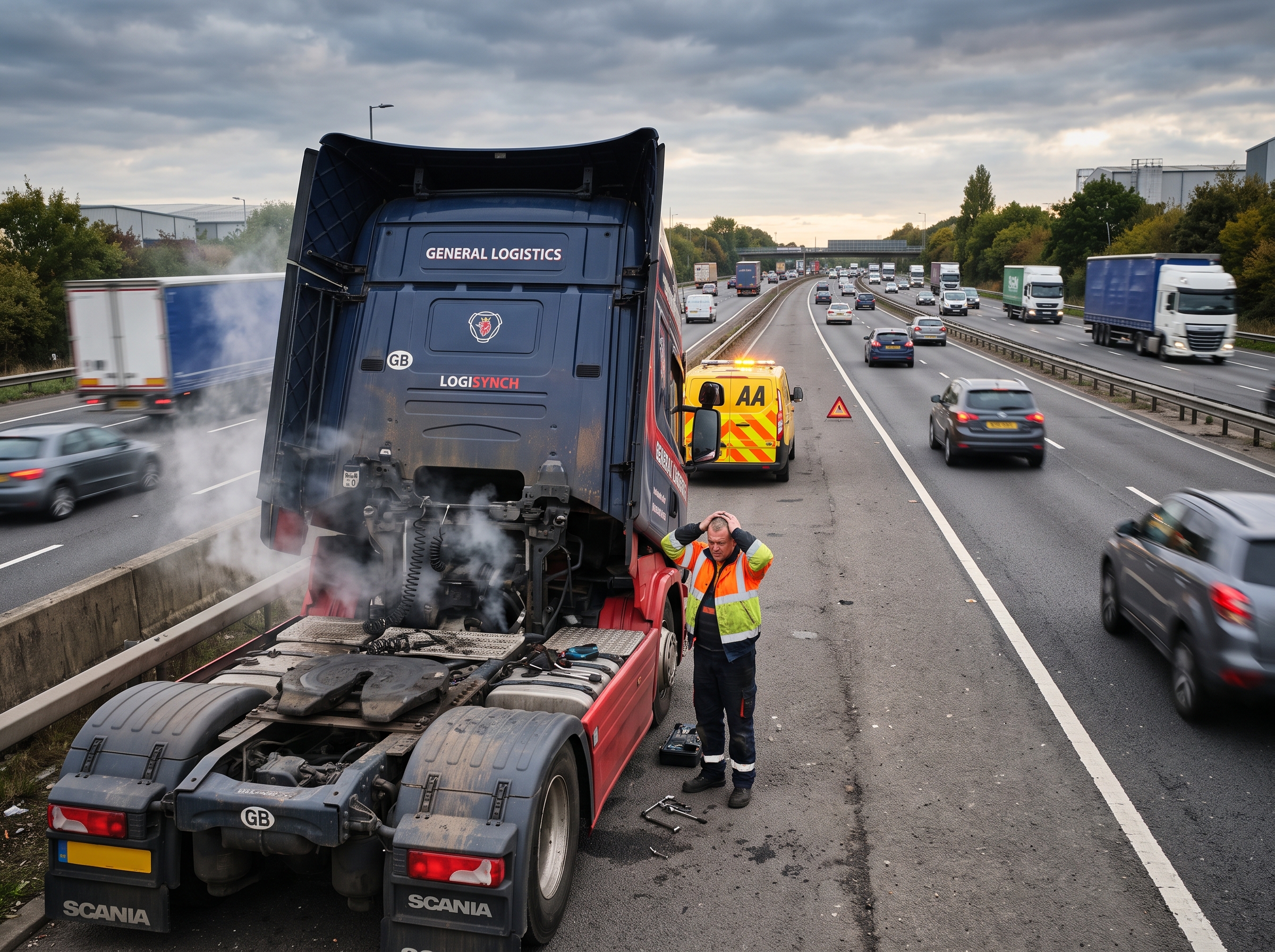
Every tractor needs maintenance. Unexpected failures are different. A failed bearing, hydraulic pump, or transmission can trigger:
- Expensive repairs
- Lost production
- Emergency call-outs
- Missed planting or harvesting windows
The repair bill is only part of the cost. The lost work often costs even more.
5. Bigger Tractors Don't Always Cost More Per Hectare
Many assume a larger tractor is automatically more expensive to operate. Not necessarily. A larger machine may complete work faster, reduce labour hours, lower operating hours per hectare, and finish within critical weather windows.
Although fuel use per hour may increase, the cost per hectare or cost per tonne produced can actually decrease.
The most useful measure isn't fuel per hour — it's the cost of completing the job.
6. The Best Benchmark Is Cost Per Productive Hour
Professional fleet managers compare machines using one number:
(Ownership Costs + Operating Costs + Maintenance + Repairs + Depreciation + Downtime) ÷ Productive Hours
This allows different tractors, brands, and ages to be compared fairly. A tractor with higher finance payments may still be the cheaper machine if it delivers more reliable work with less downtime.
7. The Number Is Usually Higher Than Expected
Many owners only consider fuel when estimating hourly costs. In reality, fuel often represents just one portion of total operating cost. Once ownership, depreciation, maintenance, repairs, tyres, and downtime are included, the true hourly cost is frequently far higher than expected.
That's why successful businesses measure costs instead of guessing them.
Final Insight
Every hour your tractor operates has a price. Knowing that number changes how you buy equipment, schedule maintenance, compare ownership to hiring, and ultimately measure profitability.
The operators who know their cost per productive hour make better decisions — not because they spend less, but because they understand what every hour is truly worth.