Most equipment failures don't happen without warning. They happen because the warning signs were ignored.
On a quiet day in the workshop, a failed bearing is an inconvenience. During planting or harvest, that same bearing can become one of the most expensive failures of the season.
The best operators don't just repair machines — they prevent breakdowns before they happen.
1. The Repair Bill Is Rarely the Biggest Cost
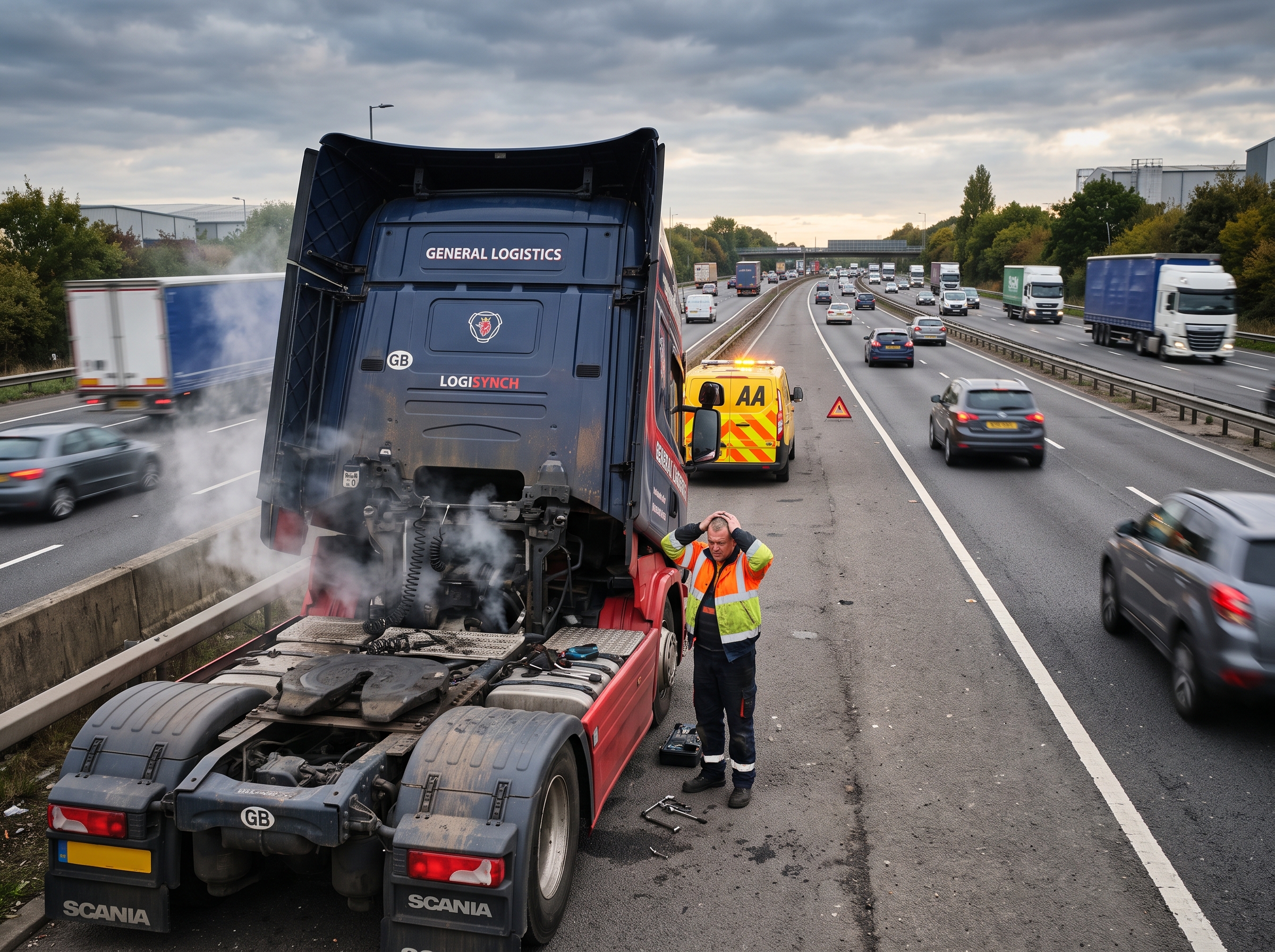
When a tractor or combine fails, most people look at the invoice. Professionals look beyond it. A breakdown can also mean:
- Missed harvesting windows
- Crops exposed to bad weather
- Idle operators
- Delayed transport
- Emergency call-out charges
- Hiring replacement equipment
The repair isn't what hurts. The lost productivity is.
2. Harvest Is the Worst Time to Discover Weak Components
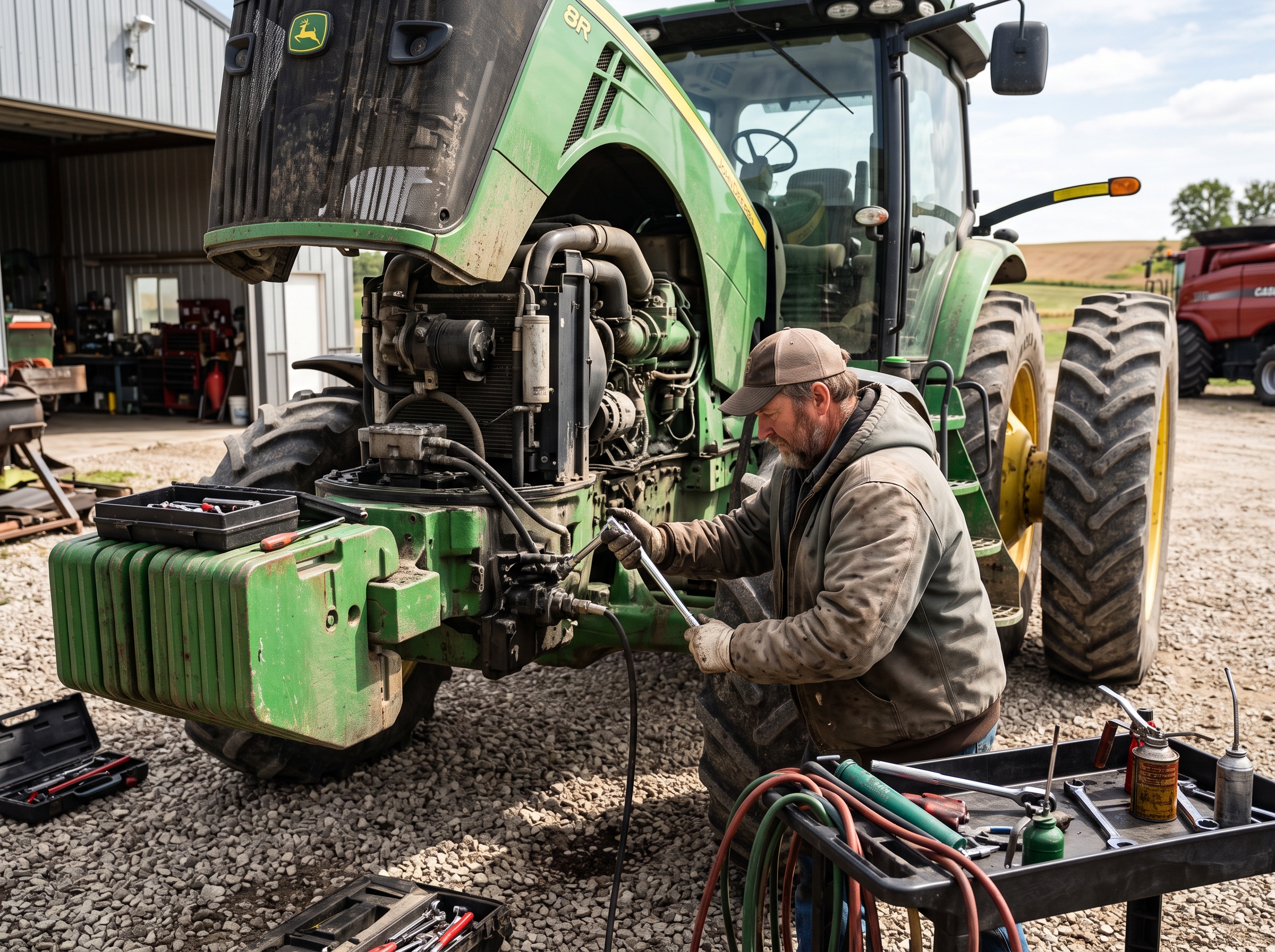
Every machine has wear parts. Bearings, belts, hoses, filters, seals, chains, and hydraulic components all have a finite life.
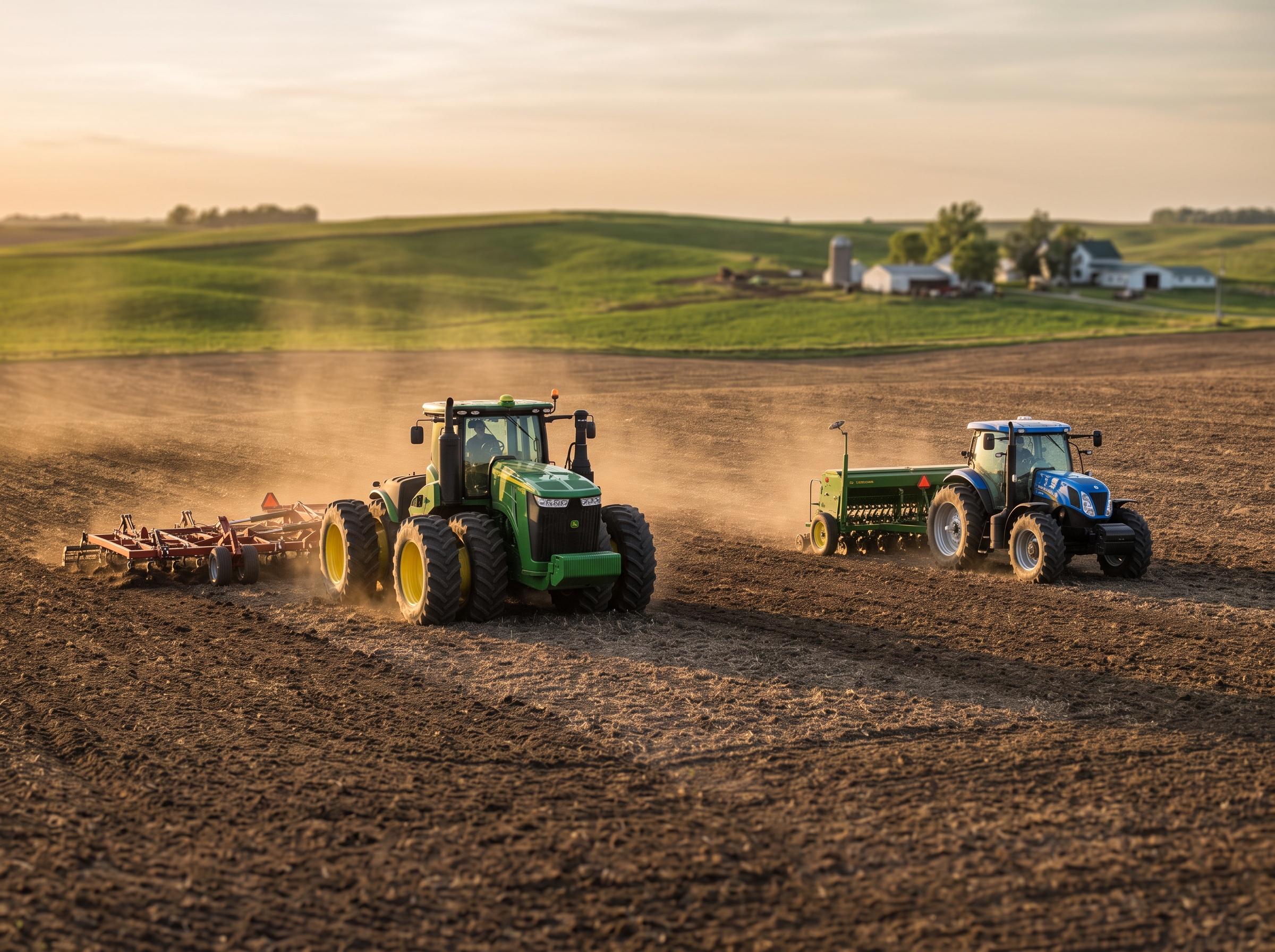
Replacing them before harvest may feel expensive. Replacing them during harvest is usually far more expensive. Professionals plan maintenance around the calendar — not around failures.
3. Small Problems Become Large Failures
Many catastrophic breakdowns begin as inexpensive repairs. Examples include:
- A small hydraulic leak contaminating the system.
- A noisy bearing damaging an entire gearbox.
- A worn belt overheating an engine.
- A cracked hose causing complete hydraulic failure.
The earlier a fault is identified, the cheaper it usually is to correct. Ignoring warning signs rarely saves money. It simply postpones a larger bill.
4. Downtime Compounds Quickly
Imagine a combine standing still during perfect harvesting conditions. The first hour costs little. By the second day, the consequences begin to multiply:
- Grain quality may decline.
- Weather forecasts become a concern.
- Labour remains on site.
- Trucks sit idle.
- The rest of the operation slows down.
Time becomes the most expensive component.
5. Preventative Maintenance Is an Investment
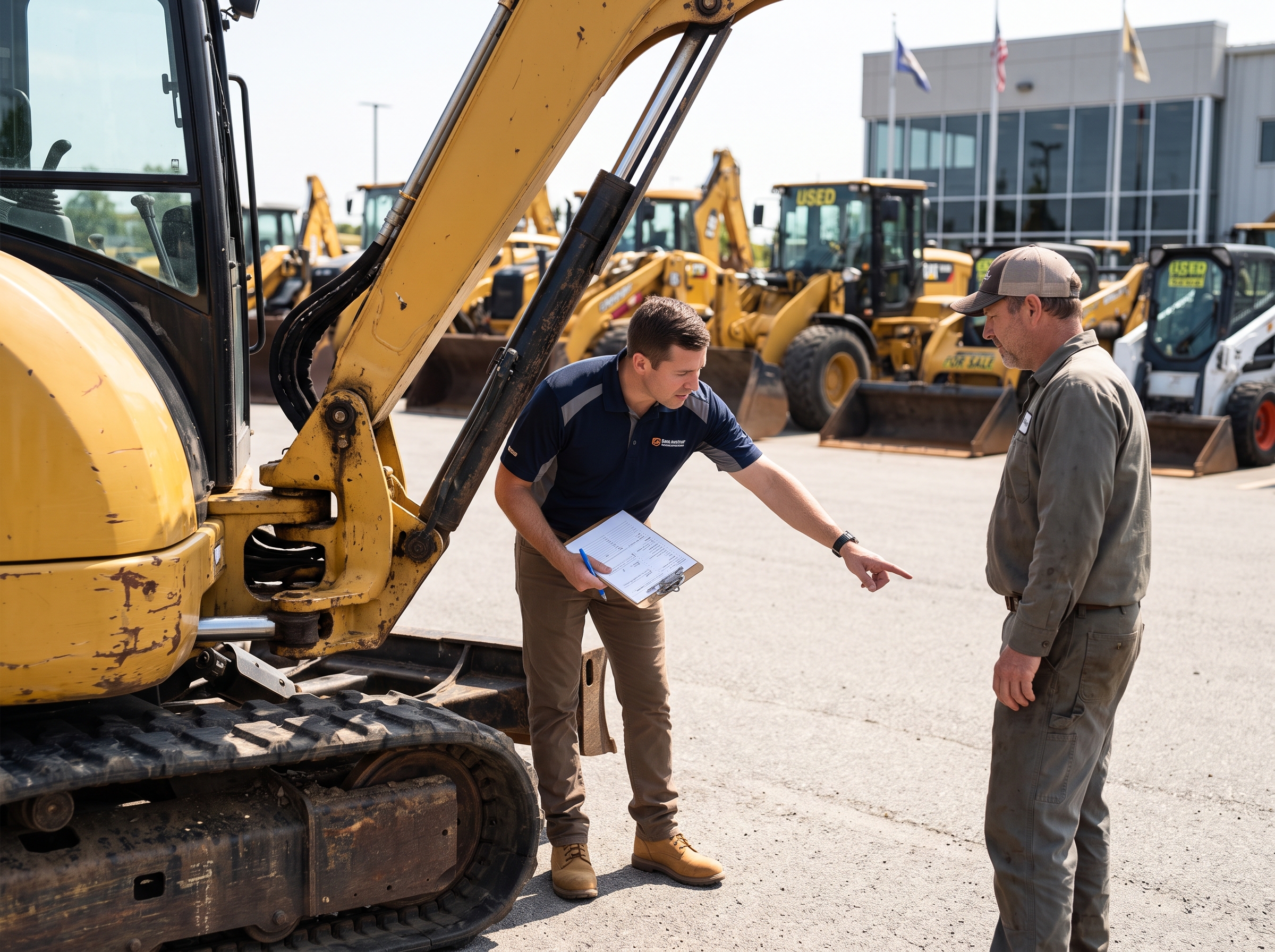
Some operators see scheduled maintenance as an expense. The best operators see it as insurance against downtime. Regular inspections help identify worn bearings, loose belts, oil leaks, hydraulic hose damage, cooling system issues, and electrical faults.
Finding these problems in the workshop is almost always cheaper than finding them in the field.
6. Keep Critical Spare Parts Before You Need Them
Waiting for a common part during harvest can turn a one-day repair into a week-long delay. Successful farms often keep essential items in stock, including filters, belts, bearings, hydraulic hoses, electrical relays, and common sensors.
The cost of holding a few critical parts is often insignificant compared to the cost of waiting for them.
7. Reliability Creates Profit
Reliable equipment allows better planning. Crews stay productive. Harvest schedules stay on track. Weather opportunities are fully utilised.
The result isn't just fewer repairs — it's greater profitability across the entire operation. Reliability is a competitive advantage.
8. The Best Operators Expect Failures — Just Not During Harvest
Experienced equipment managers know every machine will eventually require repairs. Their goal isn't to eliminate failures. It's to decide when those failures happen.
Through inspections, servicing, oil analysis, and preventative maintenance, they shift repairs into the off-season — when time is available and the financial impact is much lower.
Planning the breakdown is far cheaper than reacting to it.
Final Insight
The most expensive breakdown is rarely the largest repair. It's the failure that happens at exactly the wrong time.
Successful farmers don't judge maintenance by what it costs. They judge it by what it prevents. Because in agriculture, one day of reliable uptime during harvest can be worth far more than months of repair savings.