Many owners believe a dealer values a trade-in based on one thing: "What is my machine worth?"
In reality, dealers ask a different question: "What will it cost us to sell this machine — and how much risk are we taking?"
Understanding that difference helps explain why two seemingly similar tractors can receive very different trade-in offers.
1. Dealers Buy Risk, Not Just Equipment
When a dealer accepts your tractor, they don't simply become the new owner. They also take on the risk of repairs before resale, warranty obligations (where offered), storage costs, advertising expenses, finance costs while the machine sits unsold, and market price fluctuations.
Every unknown reduces what a dealer is willing to pay. The more confidence a dealer has in the machine, the stronger the offer is likely to be.
2. Service History Can Be Worth Thousands
One of the first things many dealers look for isn't the tractor. It's the paperwork. Complete maintenance records show regular servicing, correct oil intervals, major component replacements, professional repairs, and consistent ownership.
Two identical tractors can have very different values if one has documented maintenance and the other doesn't. Buyers pay for certainty, and so do dealers.
3. Condition Matters More Than Appearance
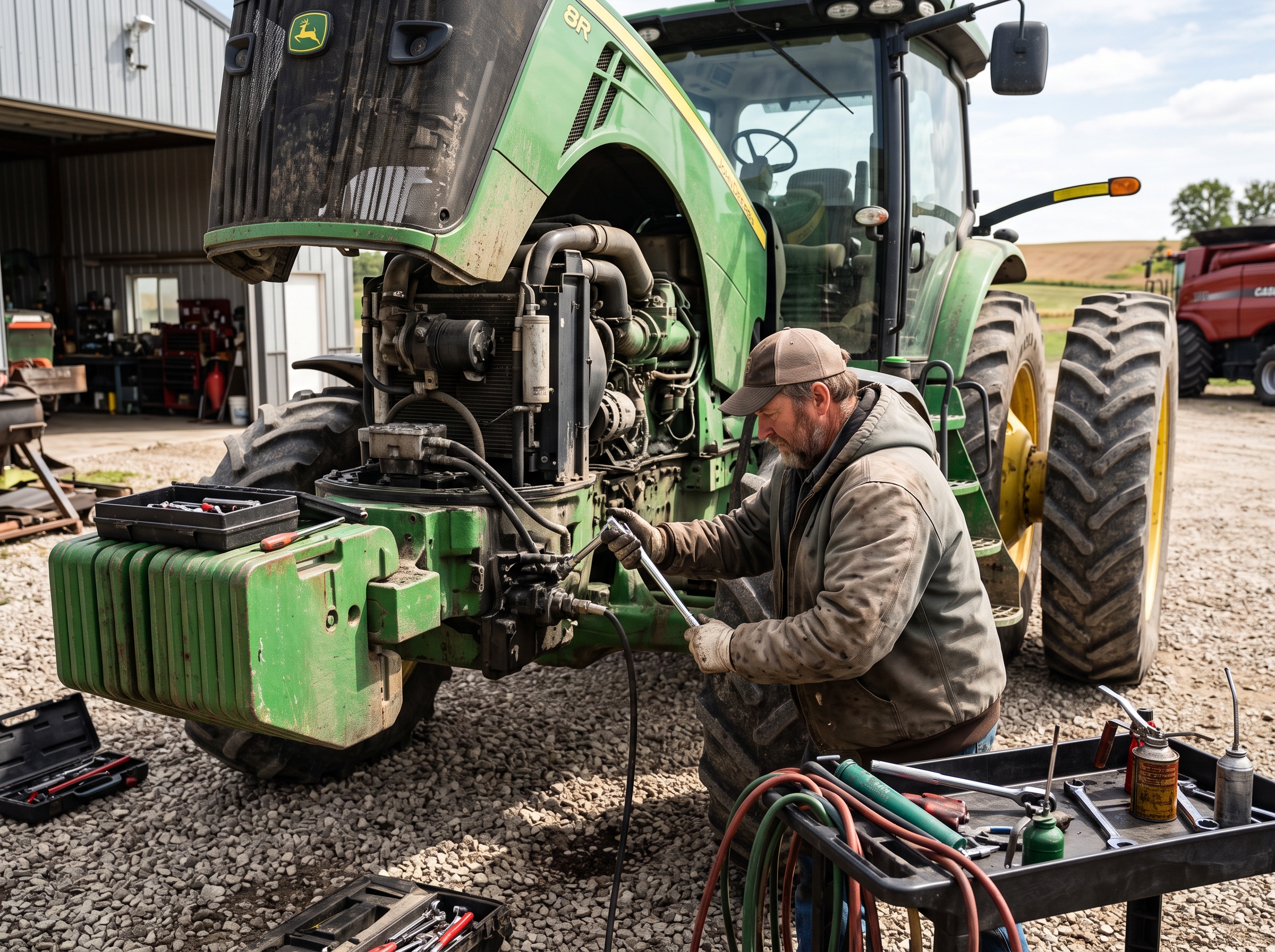
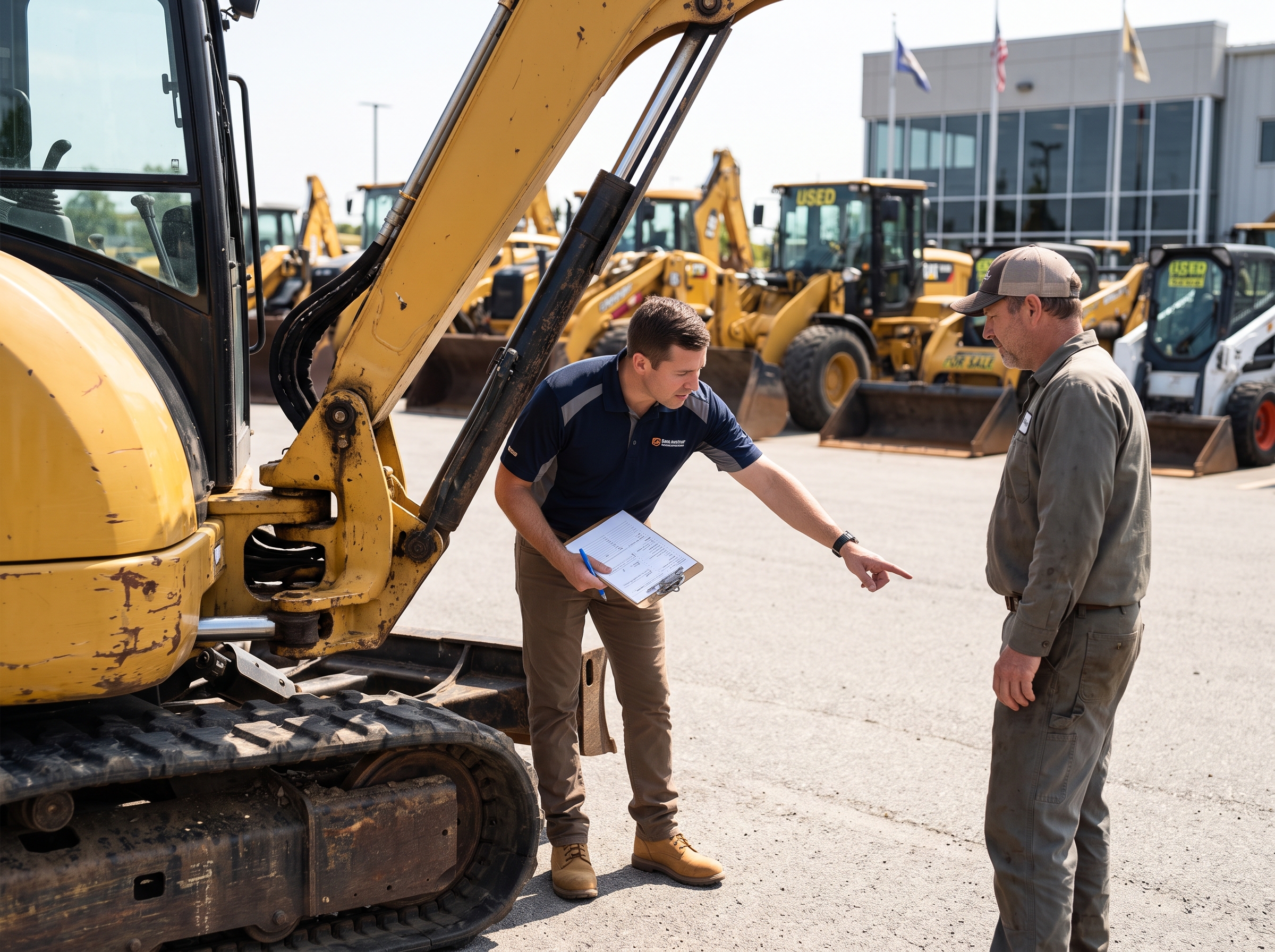
Fresh paint can improve first impressions. It rarely increases trade-in value on its own. Dealers spend far more time inspecting engine condition, transmission performance, hydraulic systems, PTO operation, tyres, cab condition, electronics, and structural repairs and welds.
A clean, honest machine usually creates more confidence than one that appears freshly refurbished without supporting maintenance history.
4. Hours Tell a Story — Not the Whole Story
Operating hours are important. But experienced buyers know they don't tell the entire story. A tractor with higher hours and excellent maintenance may represent less risk than a low-hour machine with poor servicing and signs of neglect.
Hours provide context. Condition determines value.
5. Market Demand Changes Everything
A dealer also considers how quickly the machine can be sold. Popular models with strong parts support and proven reliability are generally easier to move than uncommon machines with limited demand.
Even a well-maintained tractor may receive a lower offer if resale demand is weak. Trade-in value isn't determined by your farm alone — it's influenced by the wider market.
6. Reconditioning Costs Come Off the Offer
Before resale, many dealers expect to invest money preparing the machine — servicing, tyres, minor repairs, cosmetic improvements, cleaning and detailing, and safety inspections. Those expected costs are typically reflected in the trade-in offer.
A machine that can go directly onto the sales floor is usually worth more than one requiring extensive preparation.
7. Timing Can Influence Value
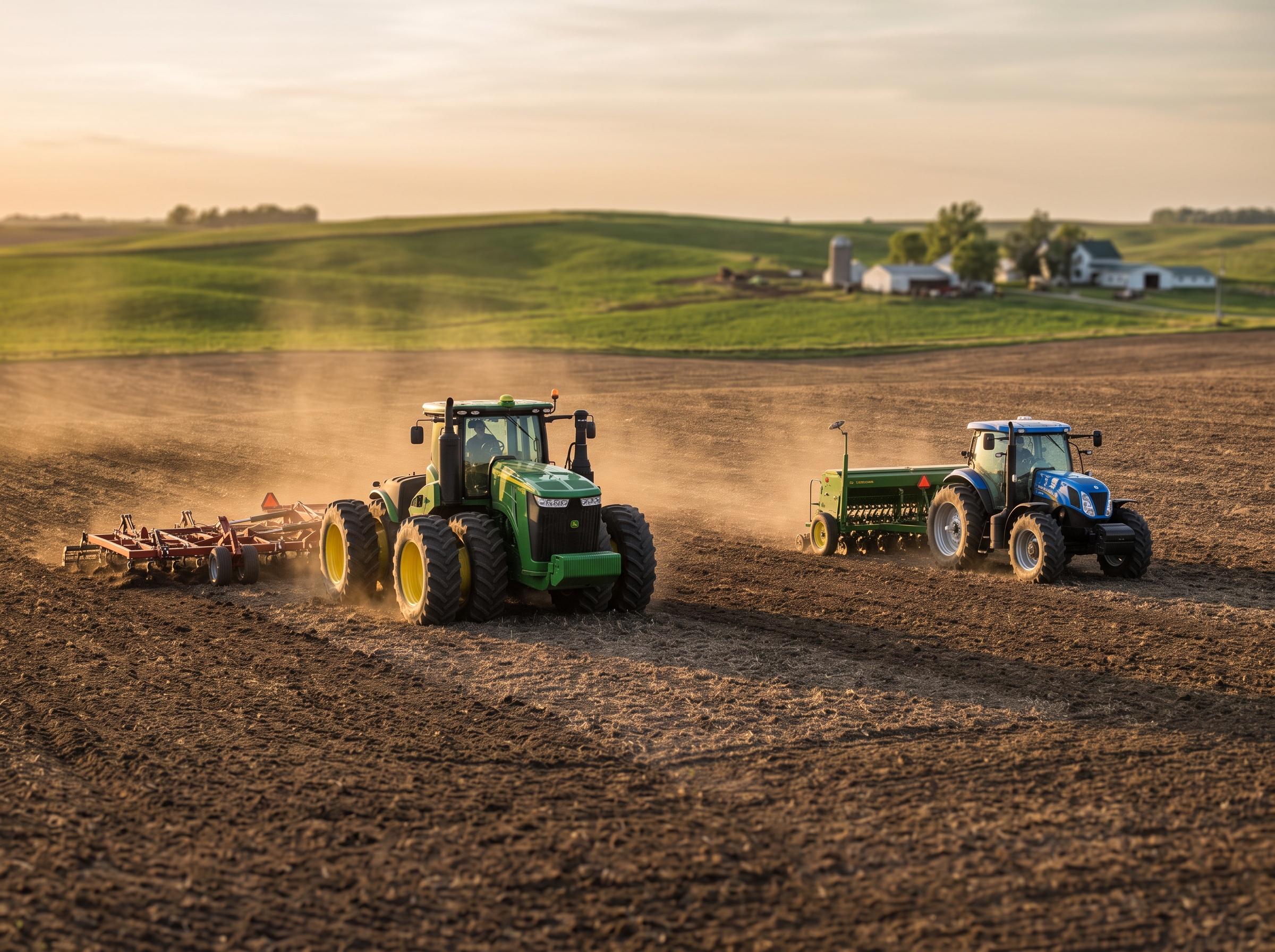
Trading equipment just before peak demand can improve its value. Tractors may attract stronger interest before planting seasons, while harvesting equipment often sees increased demand before harvest. Dealers know these cycles and price accordingly.
Selling when demand is strongest often benefits both the dealer and the owner.
8. The Best Owners Think Like Dealers
Before requesting a trade-in value, ask yourself: would I confidently buy this machine? Is the service history complete? Are repairs up to date? Does it need tyres or major work? Could it be sold immediately?
The closer your answers are to "yes," the more valuable your machine becomes.
Two tractors of the same age can receive very different offers:
| Tractor A | Tractor B | |
|---|---|---|
| Service history | Complete | Missing |
| Tyres | Excellent | Worn |
| Hydraulics | Clean | Oil leaks |
| Trade-in offer | Higher | Lower |
Preparing a tractor for trade-in starts years before it's sold — not the week before.
Final Insight
Dealers don't value tractors based solely on age, hours, or appearance. They value confidence.
The easier your machine is to inspect, trust, prepare, and resell, the stronger your trade-in offer is likely to be. The owners who receive the best trade-in values aren't always those with the newest tractors. They're the ones who have reduced the dealer's uncertainty.