
Most owners ask: "Is this tractor worth it?"
Top operators don't ask that. They ask: "What is my cost per productive hour — and is it lower than hiring or alternatives?"
That shift in thinking is the difference between ownership and professional asset management.
1. The Core Insight: Price Is Irrelevant Without Hours
World-class fleet managers — construction, mining, large farms — treat tractors like aircraft. A machine is not "cheap" or "expensive." It is "cost per hour of output."
Example:
| Tractor | Purchase Price | Maintenance | Life | Cost/Hour |
|---|---|---|---|---|
| Tractor A | R1,500,000 | Low | 10,000 hours | Lower |
| Tractor B | R1,100,000 | Frequent breakdowns | 6,000 hours | Higher |
The cheaper tractor is often the more expensive machine.
2. The Real Equation Professionals Use
They don't just divide cost by hours. They model:
(Purchase + Fuel + Maintenance + Repairs + Downtime + Depreciation) ÷ Productive Hours
Key insight: "hours worked" is not the same as "hours earning money" — downtime and inefficiency are always included.
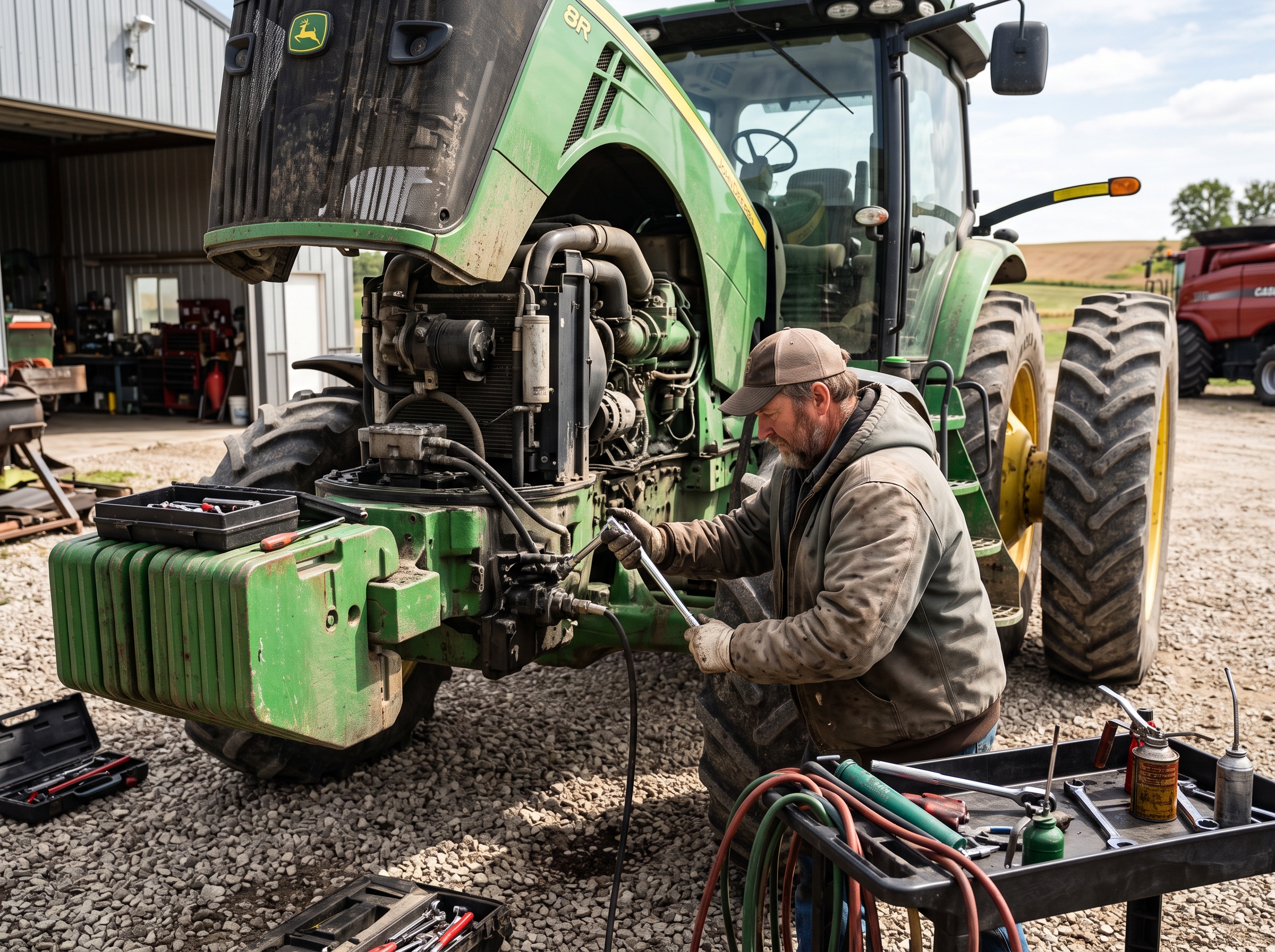
Example from large-scale farming: two identical tractors, one maintained proactively, one repaired reactively.
- Proactive machine — higher uptime, lower cost/hour
- Reactive machine — same fuel cost, but 20–40% higher total cost due to downtime and repairs
3. Depreciation Is Managed, Not Accepted
Best operators don't "watch value drop." They actively control resale value:
- Strict service records
- Oil analysis programs
- Early replacement of wear parts
- Clean operating condition
Why? Because resale value is often 20–40% of total ownership economics. A well-documented 8,000-hour tractor can sell for significantly more than a poorly maintained 5,000-hour one.
Buyers don't pay for hours — they pay for certainty.
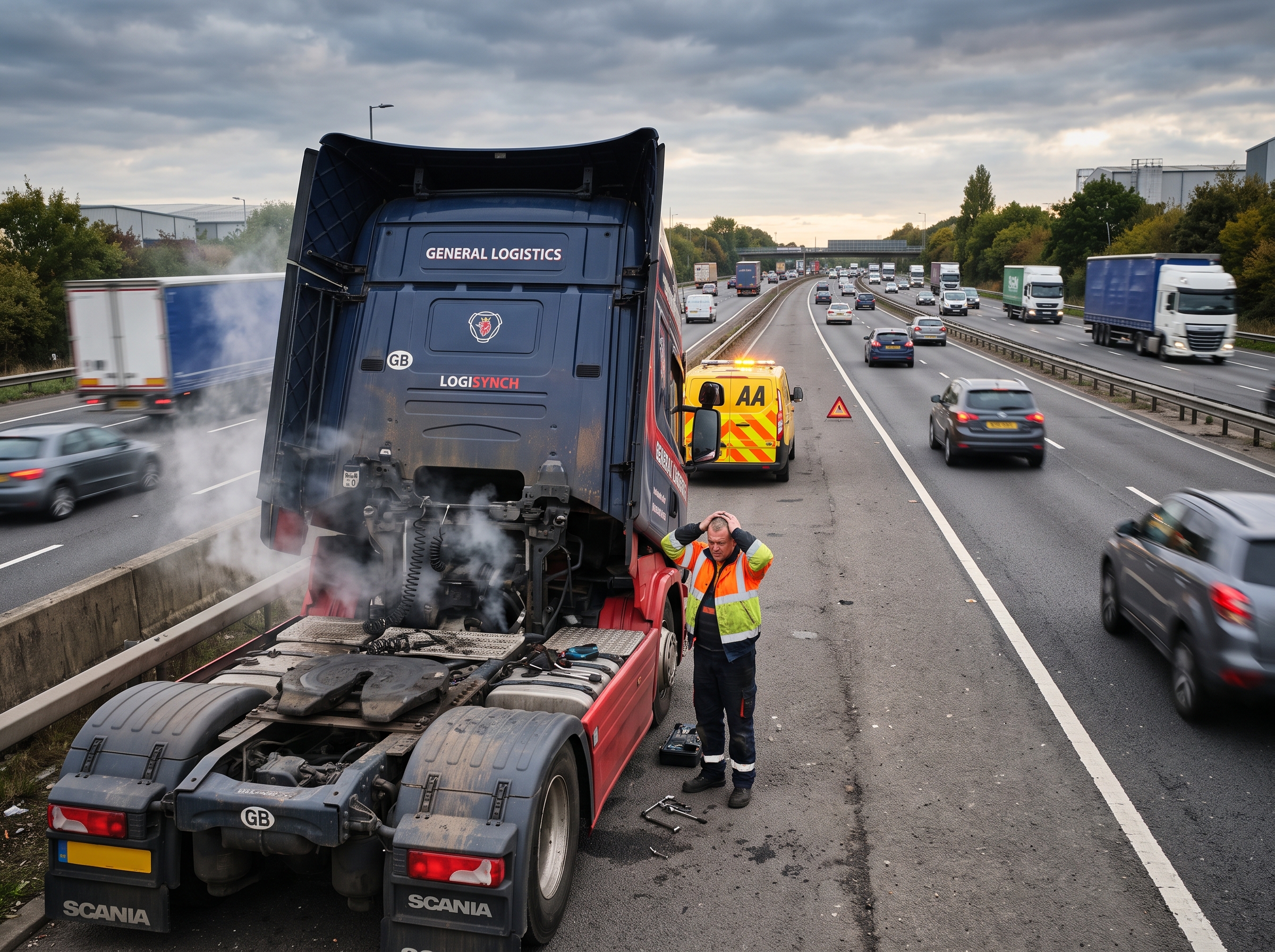
4. Downtime Is the Hidden Multiplier
Elite operators treat downtime as a financial multiplier, not a repair cost. Why? Because it compounds:
- Lost labour
- Missed weather windows
- Delayed operations
- Contract penalties (in commercial work)
Example (real-world logic used in contracting fleets): a R9,000 repair during harvest can trigger a 1-day delay that causes R50,000–R200,000 in lost output.
"We don't fix the cheapest way — we fix the fastest reliable way."
5. The "Right Size" Principle (Used in Fleet Optimization)
Best-in-class operators avoid both extremes.
Undersized machine: runs at 90–100% load constantly, higher wear rate, lower fuel efficiency per hectare.
Oversized machine: high idle cost, capital tied up, poor utilization.
Example: a 150 HP tractor doing 120 HP work is in the optimal efficiency zone. A 250 HP tractor doing the same job is wasted capital and fuel.
Efficiency is highest when machines operate at 70–85% of rated load.
6. Fuel Efficiency Is Not the Goal — Work Efficiency Is
Amateurs optimize fuel per hour. Professionals optimize fuel per unit of work — per acre, ton, hectare, or bale.
Tractor A burns more fuel per hour but finishes 30% faster, for a lower cost per hectare. Tractor B is "fuel efficient" but slower, for a higher total cost.
Speed is often cheaper than efficiency.
7. Maintenance Strategy: Prevent vs Repair
Top operators follow one rule: "we don't wait for failure — we replace before failure becomes expensive."
- Bearings replaced on schedule, not after failure
- Filters changed early, not late
- Tyres replaced before field failure
A R3,000 part failure can trigger a R20,000–R100,000 downtime event.
8. The Real Benchmark: Hire Rate Comparison
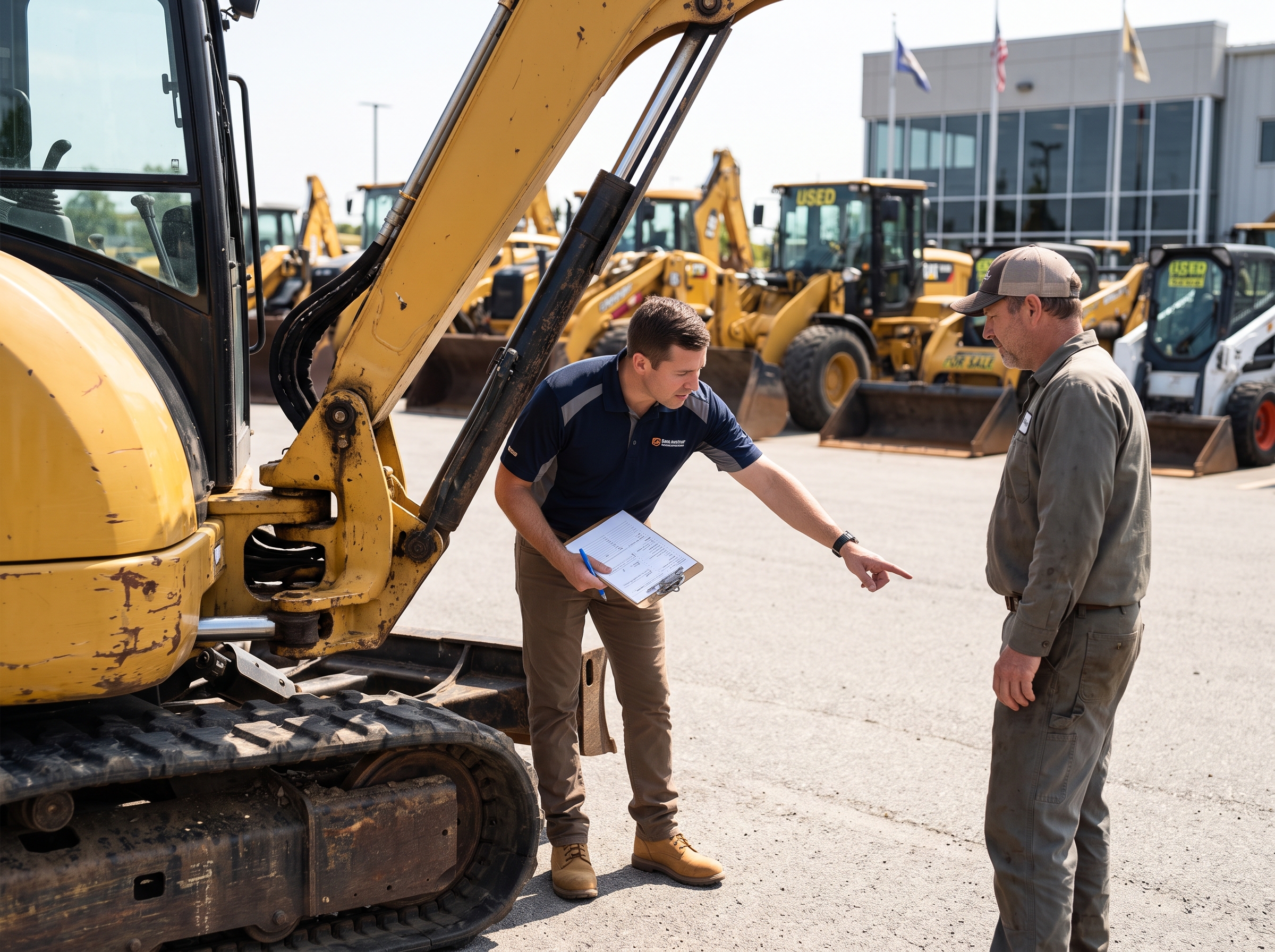
Professionals always compare ownership to rental cost. If hiring a tractor costs R1,800/hour, your owned tractor must be below that fully loaded cost/hour — or it isn't an asset, it's an emotional purchase.
This is how contractors decide: "If owning is not cheaper than hiring at scale, we don't own it."
Final Insight
The best operators in the world don't try to own the cheapest tractor. They aim to own the most predictable cost machine per hour of output.
Because in real operations:
- Predictability beats low price
- Uptime beats efficiency
- Output beats fuel savings
- Data beats intuition
A tractor is not a purchase. It is a cost-per-hour production system.