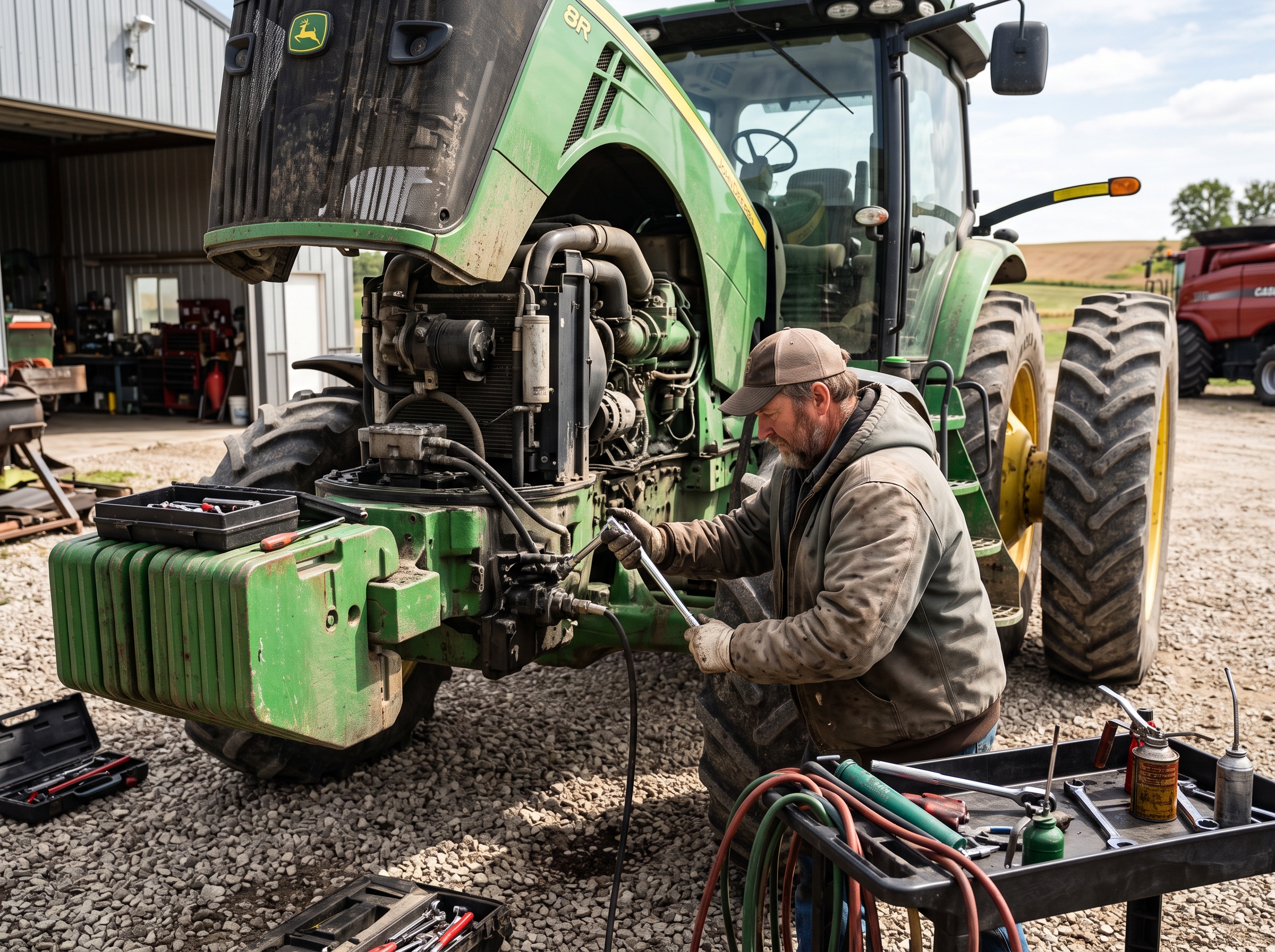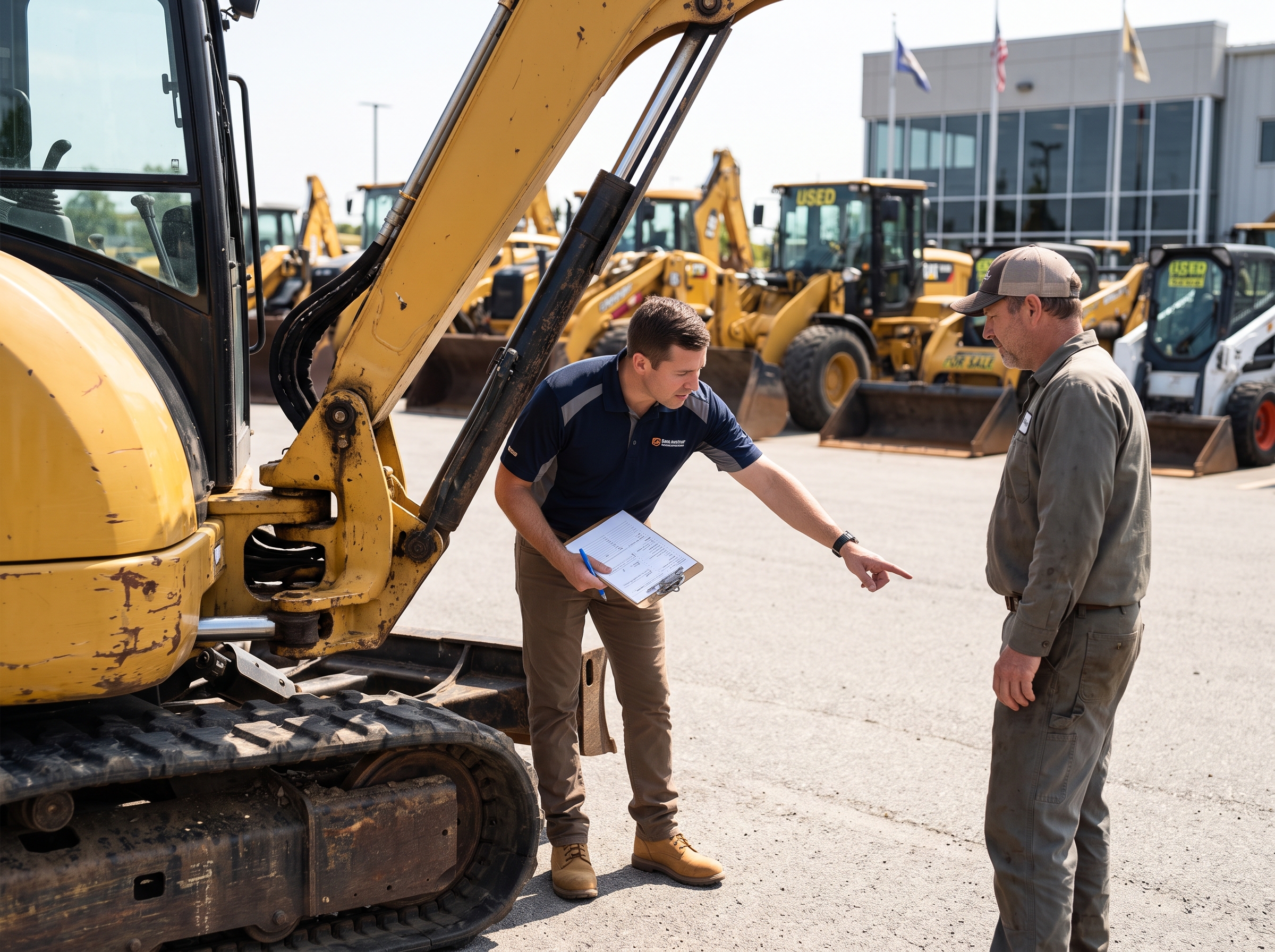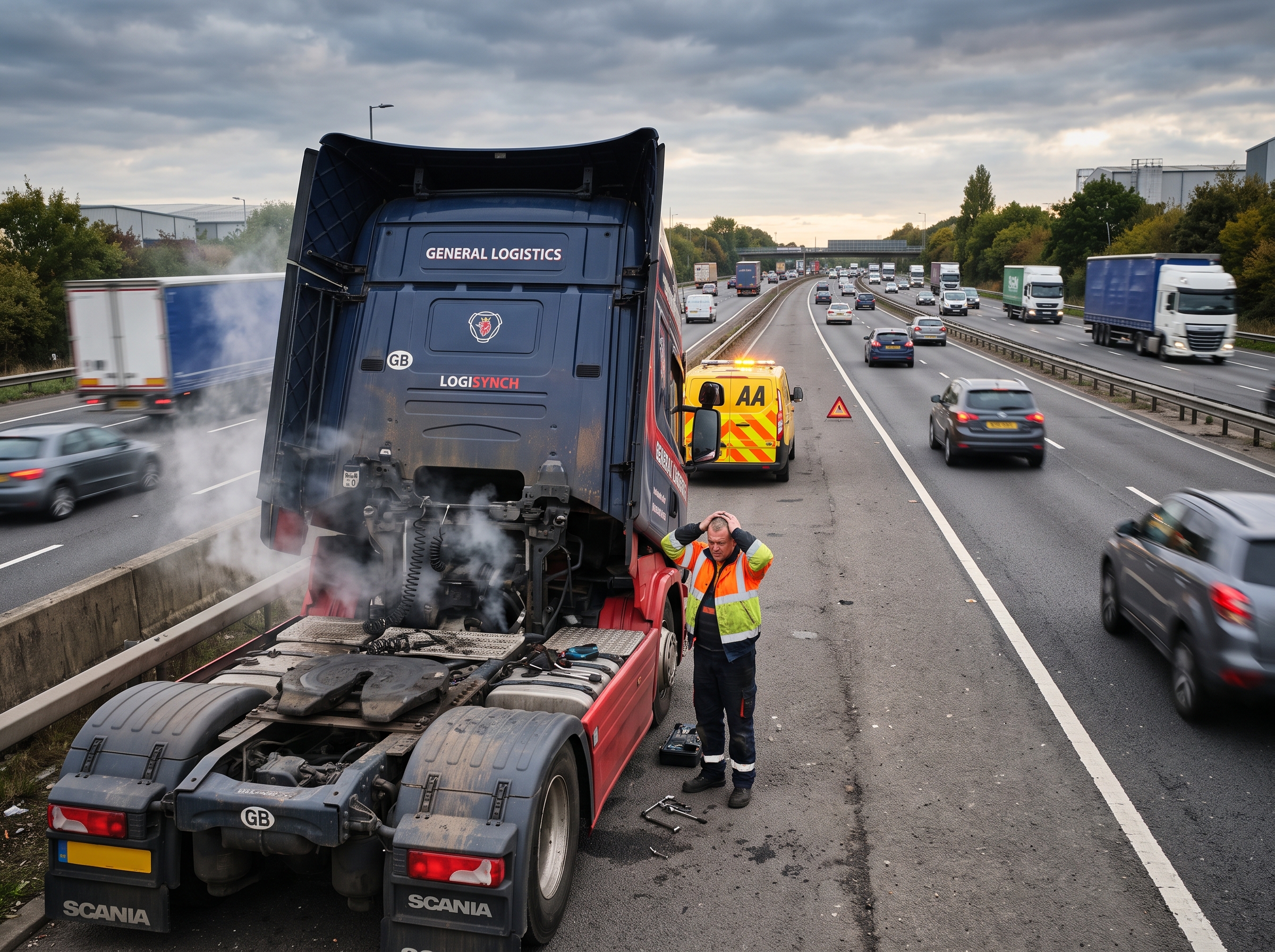
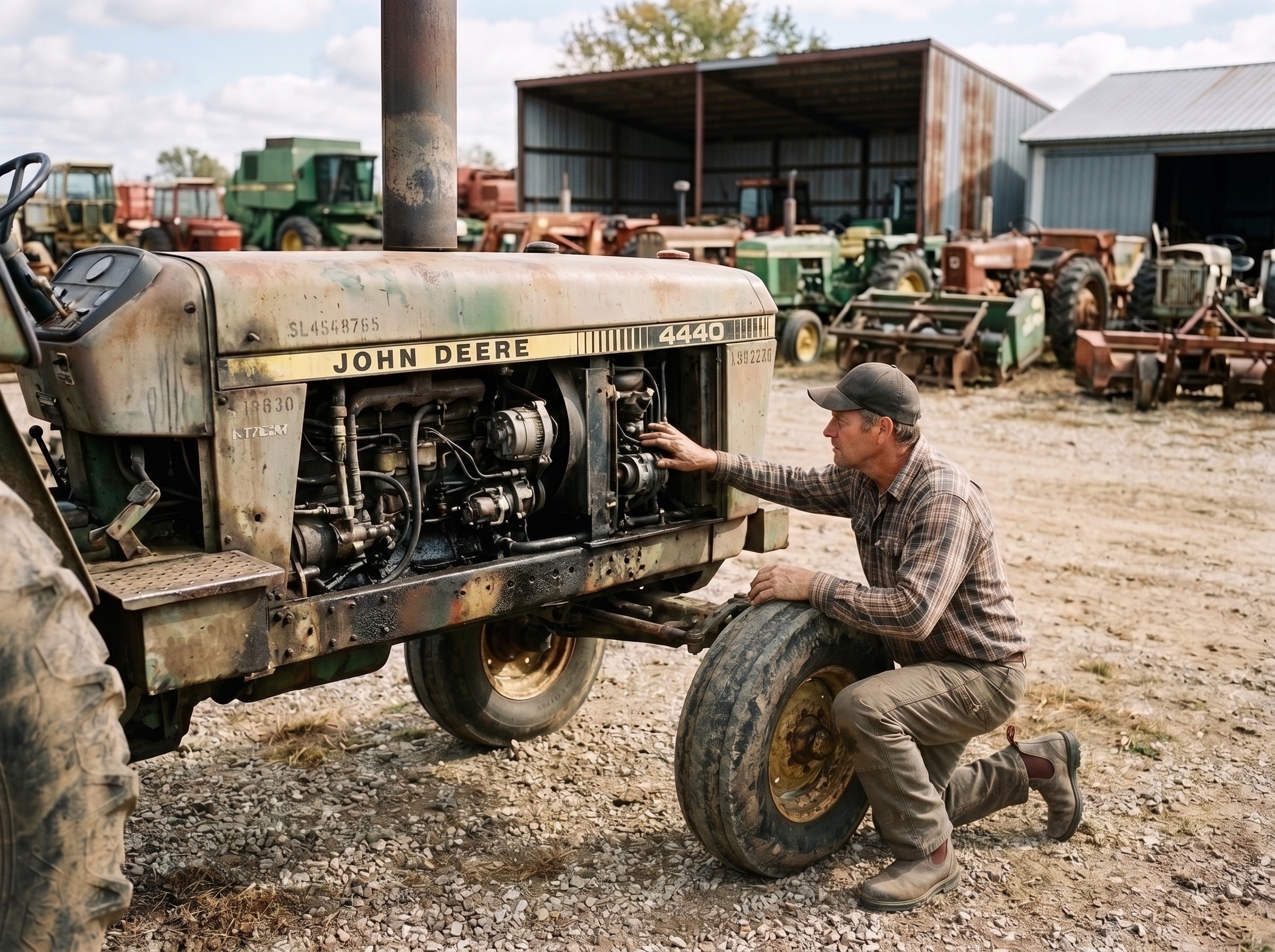
Every farm eventually faces the same question: "Do we repair this machine one more time — or is it finally time to replace it?"
Experienced operators don't make this decision based on frustration. They make it using economics. The goal isn't to spend less on repairs — it's to maximize productive uptime at the lowest total cost.
1. Stop Looking at the Repair Bill Alone
The biggest mistake is comparing Repair Cost vs Replacement Cost.
Professionals compare Repair Cost + Future Downtime + Lost Productivity vs Cost of Ownership of a Replacement.
A R50,000 repair may seem expensive, but replacing the machine could cost R2 million. On the other hand, that same repair may be poor value if it's only delaying another major failure.
The question isn't "Can we fix it?" It's "Should we?"
2. The Hidden Cost Is Reliability
As equipment ages, repairs become more frequent — and less predictable. A machine that breaks down four times a year doesn't just cost more in parts. It also creates:
- Missed planting or harvesting windows
- Idle operators
- Delayed field operations
- Emergency repair costs
- Stress on the entire operation
Professionals pay for predictability, not just repairs.
3. Know When Repairs Become a Pattern
One major repair isn't necessarily a reason to replace a machine. Repeated repairs on the same components often are. Warning signs include:
- Increasing repair frequency
- Longer downtime after each failure
- Parts becoming difficult to source
- Repair costs rising every year
- Reduced fuel efficiency and productivity
When repairs become routine instead of exceptional, replacement deserves serious consideration.
4. Consider Remaining Useful Life
Every repair should answer one question: "How many productive hours will this repair realistically buy?"
A gearbox rebuild that provides another 5,000 reliable hours may be excellent value. The same repair on a machine nearing the end of its structural life may not be. Large repairs make sense only when the rest of the machine still has years of productive work ahead.
5. Downtime Often Decides the Answer
Imagine two scenarios during harvest:
- Machine A needs a R120,000 repair and is back in the field tomorrow.
- Machine B suffers repeated failures, causing a week of lost production.
The second machine is usually the more expensive one — even if each repair is smaller. On modern farms, uptime is often worth more than saving money on repairs.
6. Compare Cost Per Productive Hour
The best equipment managers compare both options using the same benchmark: which machine will produce the lowest cost per productive hour over the next several years?
| Repair | Replace | |
|---|---|---|
| Upfront cost | Lower | Higher |
| Reliability | Risk of future failures | Better |
| Maintenance | Rising over time | Lower |
| Productivity | Variable | Higher |
| Capital required | Lower | Higher |
A newer machine may have higher finance payments but lower maintenance, better fuel economy, greater reliability, and higher productivity. An older machine may have no monthly payments but consume that saving through repairs and downtime. The answer isn't based on age — it's based on economics.
7. Replacement Doesn't Mean Failure
Many successful businesses replace equipment before it becomes unreliable. Why? Because planned replacement is far cheaper than being forced to replace a machine after a catastrophic failure during the busiest week of the year.
The best operators replace equipment while it still has resale value — not after it has lost it.
Final Insight
The best equipment managers don't ask whether a machine can be repaired. They ask whether repairing it is still the smartest financial decision.
Sometimes the most profitable repair is fixing the machine. Sometimes it's replacing it before the next breakdown makes the decision for you.
The goal isn't to own equipment forever — it's to keep your operation productive, predictable, and profitable.